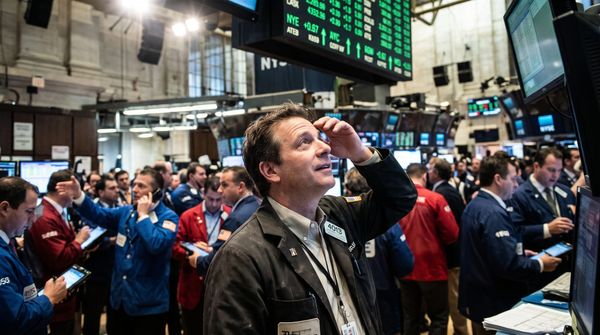
Markets are trying to bounce. After Nasdaq lost 2.86% on Friday and 5.2% for the month of October, futures on the Nasdaq-100 are up 0.8% this morning, with S&P 500 futures adding 0.4–0.5%. Asia led the way: South Korea's Kospi gained 2.2%, and SK Hynix — the memory chip maker whose fortunes are directly tied to AI infrastructure demand — rose 3.8%. The move gets the market's attention. But analysts are measuring it carefully: a 0.5–1% bounce after a 2–3.5% drop is a pause, not a reversal. The real test arrives tonight when Apple reports earnings after the close.
This Footage Stuns Everyone
Hi, I'm Tim Bohen... I'm about to show you a secretive AI facility 2,400 miles from Elon Musk's Starbase. Only a handful of companies get in. SpaceX just did…
What you see next will shock you…
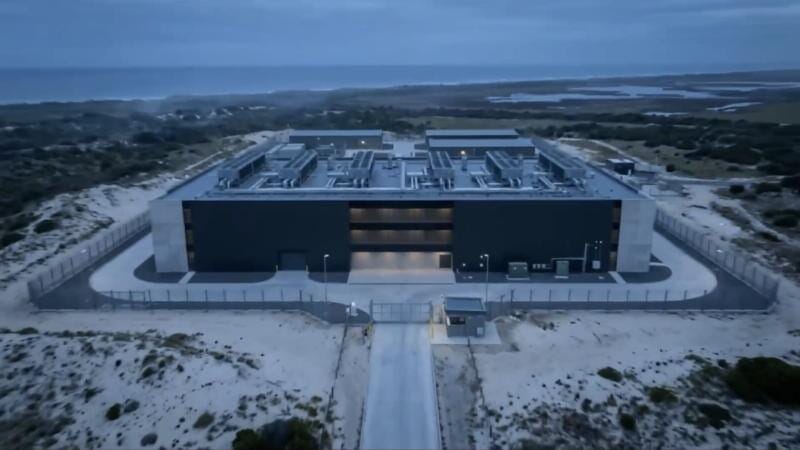
SpaceX booked $7.6 billion from AI last quarter.
Tim Bohen
StocksToTrade
SK Hynix's 3.8% gain matters as a signal more than as a number. The company makes the high-bandwidth memory chips that sit inside Nvidia's AI accelerators, which means its stock price is effectively a real-time referendum on whether the market believes AI infrastructure demand is holding up despite the earnings carnage of the past week. A 3.8% gain on a Monday morning after Alphabet, Amazon, and Intel all disappointed suggests that investors are drawing a distinction — punishing the spenders of AI capex while still rewarding the suppliers to the build. That distinction may not survive another week of earnings misses, but for now it is what's keeping the Asian session green.
October's 5.2% loss in the Nasdaq puts the month in a different category than the single-session selloffs that preceded it. Monthly losses of that magnitude tend to bring out a particular type of institutional behavior: rebalancing. Pension funds and target-date funds with fixed equity allocations automatically buy after a down month because their equity weight has drifted below target. That mechanical demand is one structural reason why a Monday bounce after a bad October is not surprising. The question is whether it reflects genuine re-assessment of tech valuations or simply the calendar turning and the rebalancing flows arriving. The analysts who are calling this a pause rather than a reversal are pointing at the same distinction.
2026 could be the biggest IPO year ever: SpaceX just went public, and Anthropic and OpenAI could be next.
Income expert Tim Plaehn found a much simpler way to play the wave: a little-known fund paying a 20% annualized distribution rate, up to $1,104 a month.
Click here to see Tim's IPO Income play.
The oil move is the more surprising story this morning. Brent dropping nearly 4% to around $109 — and WTI slipping below $100 for the first time in weeks — represents a meaningful reversal from the trajectory of the past month. The driver is diplomatic: reports of progress in back-channel talks aimed at reducing military escalation with Iran have given traders a reason to price out some of the geopolitical premium that had been building since the Shaybah strike two weeks ago. This does not mean the crisis is resolved. It means the market believes, for now, that a direct confrontation that would seriously interrupt Iranian oil exports is less likely than it was on Friday. That probability estimate can change quickly.
The combination of a tech bounce and an oil drop on the same Monday is not an accident — both reflect the same underlying dynamic. The tech bounce reflects reduced fear; the oil drop reflects reduced war premium. Both are responding to the same shift in risk appetite that tends to happen after a week of heavy institutional selling. When fear was high, investors sold tech and bid oil as a hedge. As fear subsides, that trade partially unwinds. The question this week is whether the fundamentals can sustain the more benign interpretation or whether Apple earnings tonight reintroduce the AI capex concern that drove the sector down in the first place.
Hi, I'm Dylan Jovine
What a drilling team uncovered deep beneath Utah left everyone speechless.
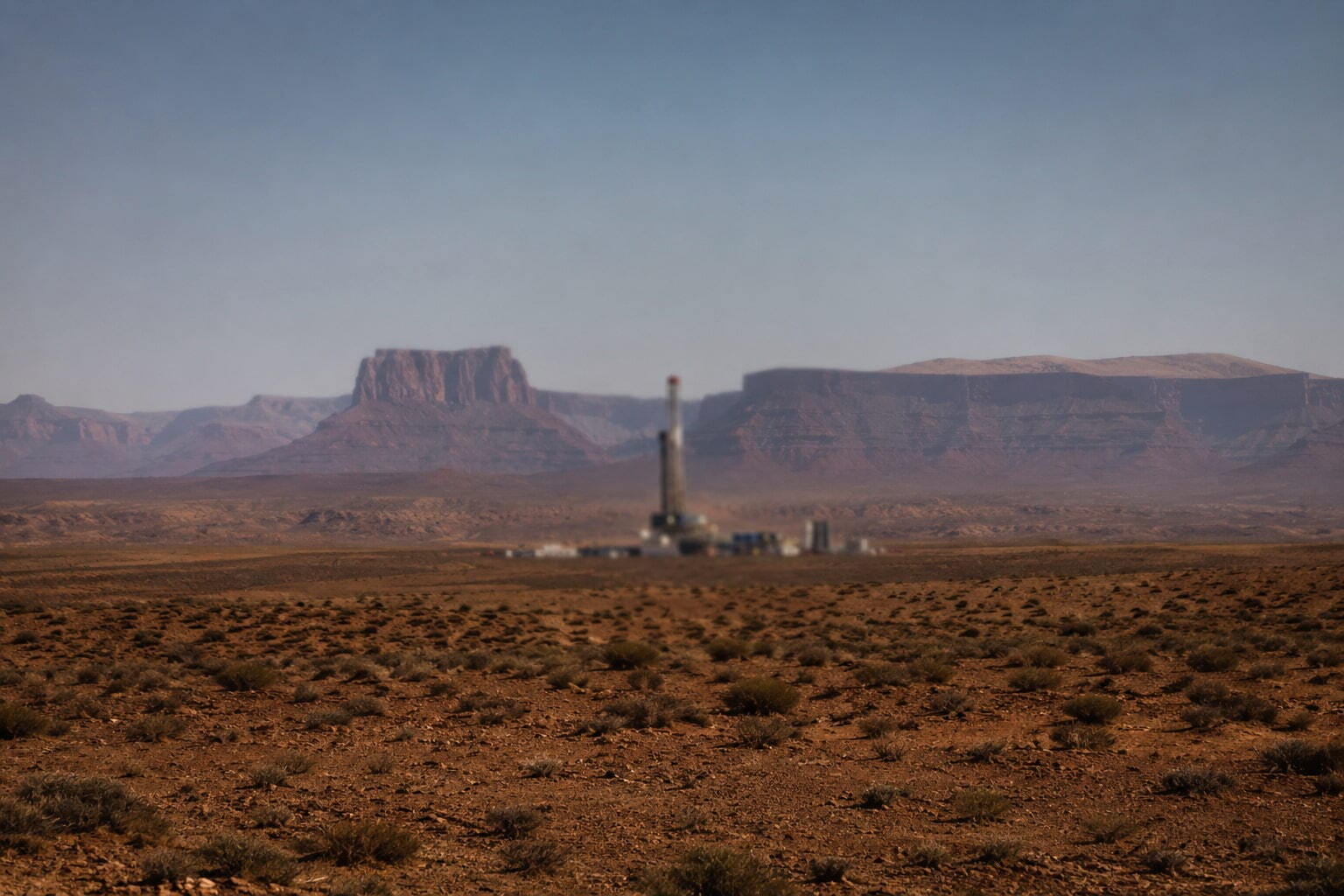
This unexpected discovery in Beaver County has people saying it could change everything.
Take a look for yourself >>>
"In logistics we had a saying: the first bounce after a hard landing is just the freight settling. I've been watching markets long enough to know that a Monday morning bounce after a week like last week usually means two things. One: the selling was overdone on some of the smaller names that got caught in the blast radius. Two: the real test is still ahead. Apple tonight is the freight settling. If it holds, the market can start sorting out which companies got punished for being in tech and which ones got punished for having actual problems. If it doesn't, October just becomes November."
Nasdaq-100 and S&P 500 futures: CME Group futures data, November 2, 2026 pre-market. Nasdaq-100 +0.8%, S&P 500 +0.4–0.5%.
Nasdaq October performance: Nasdaq market data. Nasdaq Composite −2.86% Friday, October 30; −5.2% for October 2026.
Asia session — Kospi and SK Hynix: Korea Exchange data, November 2, 2026. Kospi +2.2%, SK Hynix +3.8%.
Brent and WTI crude: ICE and CME futures, November 2, 2026. Brent ~$109 (−~4%), WTI below $100. Decline attributed to reports of diplomatic progress on Iran de-escalation.
Analyst commentary on bounce vs. reversal: Bloomberg, Reuters market desk notes, November 2, 2026.