The Fed begins its two-day meeting today. The decision comes tomorrow at 2pm Eastern. Markets are pricing a pause at roughly 90% probability, with about a 10% chance of a hike, according to CME FedWatch. But the rate itself is not really the story — economists are watching for a hawkish pause: rates held, language hardened. Inflation has been above the Fed's 2% target for more than 60 consecutive months. It currently sits at 3.7%. Oil is above $100. And raising rates one week before an election would be politically explosive in a way the Fed has rarely been willing to absorb. The market, however, is already pricing in at least two more hikes by mid-2027. Wednesday is the setup, not the resolution.
Patriots' Most Trusted Gold Company
The Debt Just Passed
$40 Trillion. Nobody
Asked Your Savings.
For U.S. savers age 55+ with $50,000 or more in an IRA, 401(k) or savings. Free of charge, no obligation to buy anything.
In August 2026 the national debt passed $40 trillion. It was not voted on. There was no ceremony. Most Americans found out from a headline, if they found out at all.
Somebody has to absorb it
A debt that size does not simply sit there. It gets serviced, refinanced, and eventually dealt with — and there are only three ways to deal with it: raise taxes, cut spending, or reduce the real value of what is owed by letting the currency weaken. The first two require Congress to do something unpopular on the record. The third requires nobody to do anything at all.
Every dollar in your IRA is a claim denominated in the same currency the debt is denominated in. If the obligation is managed down in real terms, that happens through your savings, not around them.
Gold is the one asset in this conversation with no issuer. No treasury can print it, no company can dilute it, no counterparty can default on it. Central banks themselves have been buying more than a thousand tons a year. They are not doing it for the yield.
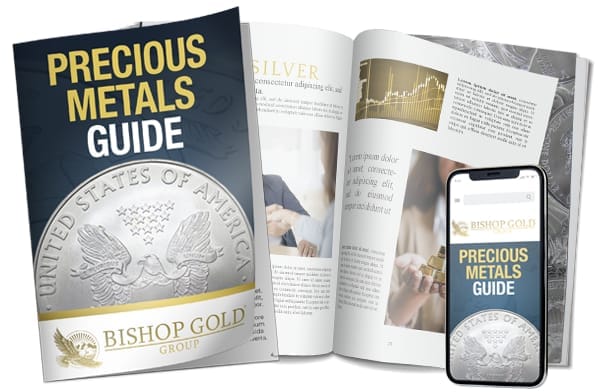
The free 2026 Gold IRA Guide walks through exactly how a rollover from an IRA, 401(k) or TSP works, which metals the IRS allows, how insured depository storage works, and the mistakes that cost retirees the most.
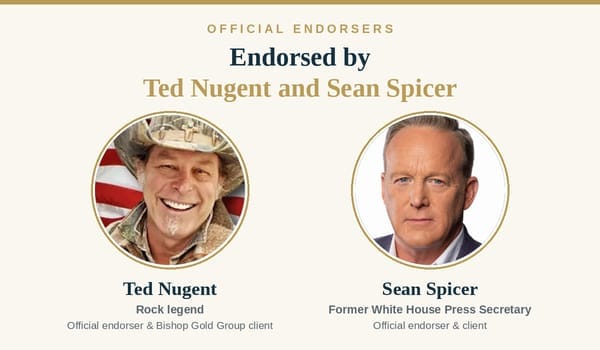
Rock legend Ted Nugent and former White House Press Secretary Sean Spicer are official endorsers and clients of Bishop Gold Group. 10 years in business · 5-star rated on Trustpilot and Google · Mint Authorized Dealer
Bishop Gold Group is a precious metals dealer. We are not a licensed investment advisor, broker-dealer, tax advisor or attorney, and nothing in this email is investment, legal or tax advice or a recommendation to buy or sell any asset. Past performance is not a guarantee of future results. Ted Nugent and Sean Spicer are compensated spokespersons and clients of Bishop Gold Group. © 2026 Bishop Gold Group. All rights reserved. | 1801 Century Park East, 24th Floor, Los Angeles, CA 90067 | bishopgoldgroup.com
The phrase "hawkish pause" has become the consensus description for what economists expect tomorrow. It means the Fed holds rates where they are — avoiding the political grenade of a hike a week before an election — but signals through its statement and Powell's press conference that the tightening cycle is not over. The mechanism for that signal is language: removing language about "remaining patient," reintroducing the phrase "prepared to act further," or adjusting the dot plot to project fewer cuts in 2027 than the previous meeting implied. None of that moves rates today. All of it moves markets tomorrow.
The complication is oil. When headline inflation is being driven by energy — which is not meaningfully responsive to interest rate policy, because you cannot raise rates and make oil cheaper — hiking into an oil spike is simultaneously more painful for households and less effective as an inflation-fighting tool. The Fed knows this. So does the market. The question is how much of that structural logic shows up in Powell's tone at the press conference versus how much he holds the hawkish line regardless.
Right now, you can get immediate access to The Beginner's Guide To Options at no cost.
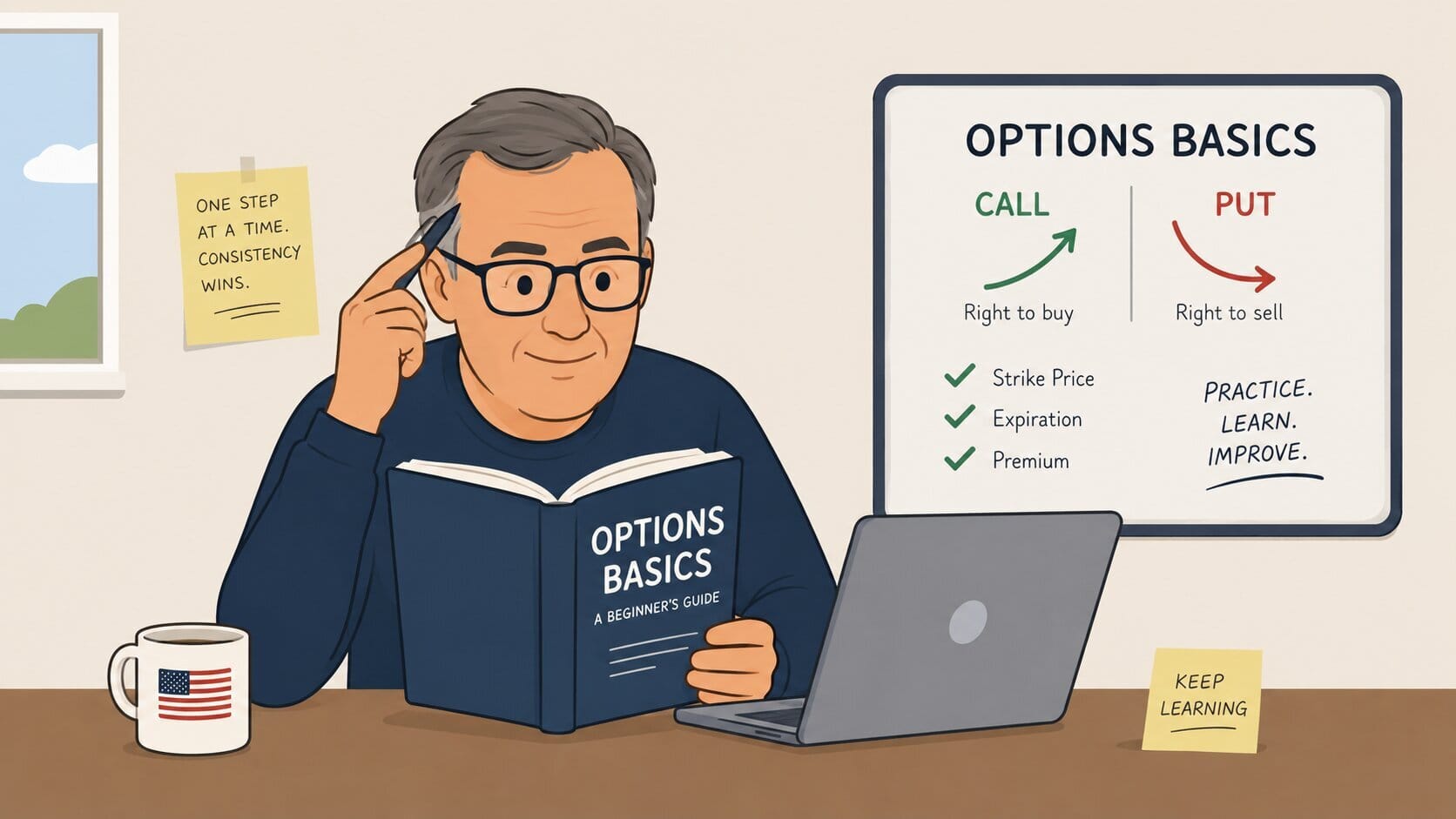
Inside you'll discover:
- The essential options terms every trader needs to understand
- Why options have become one of the most popular tools for generating income in today's markets
- Real examples that show how options trades actually work
- A little-known strategy many traders use to reduce costs and improve profit potential
It's the kind of information that could save you weeks — or even months — of trial and error.
But we're making it free — click here.
Just be sure to do it now… Time is running out for you to get this report for free.
Click this link and download your copy while you still can.
To your trading success,
Dave Aquino
Lead Options Trader, Base Camp Trading
The market has already moved past tomorrow's decision in one meaningful sense: futures are pricing at least two additional hikes by mid-2027, regardless of what the Fed does Wednesday. That front-loading of expectations is itself a form of tightening — it raises borrowing costs in anticipation of official rate increases, which means the Fed has already received some of the restraint it would otherwise have to deliver explicitly. The question is whether Powell validates that pricing or tries to soften it.
If Powell signals that the mid-2027 hike path is too aggressive, markets rally hard. If he ratifies it — or implies even more tightening than priced — equities sell off and gold gets another leg down as the real rate environment tightens further. The press conference at 2:30pm ET is where that call gets made. The 2:00pm statement will be parsed within seconds; the Q&A is where the actual signal comes out.
Executive Order 14024 Is Paving The Way
For The Dollar's Collapse (Here's How to Prepare)
What if we told you Washington just fast-tracked the collapse of the U.S. dollar?
Sounds extreme, but that's exactly what Executive Order 14024 is doing.
Billionaires like Elon Musk are already sounding the alarm: "This is making countries want to abandon the dollar."
And the warning signs are all around us:
- Four major countries have already ditched the dollar for trade.
- Inflation is eating away at your savings.
- The world is moving toward a new global currency.
What happens when Washington can't print money endlessly? They'll come for your savings.
We've put together a FREE Wealth Defense Guide that reveals 3 urgent steps to keep your money safe from government overreach.
Click here to claim your free guide before it's too late >>
Because once the dollar crashes… there's no undoing the damage.
"Here's the thing about a hawkish pause in an election week with oil above $100: the Fed is walking a tightrope over three different fires at once. Politically, hiking seven days before an election is close to unthinkable — the optics alone would be a problem regardless of the economic logic. Economically, they can't ignore 3.7% CPI and oil above $100. And from a market credibility standpoint, they've been 'higher for longer' for so long that softening now would look like capitulation. So they pause, talk tough, and hope the language does the work. Tomorrow's press conference is probably the most consequential Powell has given this year. I'll be watching the oil question."
Fed pause probability (~90%) and hike probability (~10%): CME FedWatch Tool, October 27, 2026. Probabilities based on 30-day federal funds futures.
CPI headline inflation (3.7%): U.S. Bureau of Labor Statistics, most recent reported figure. Inflation has exceeded the Fed's 2% target continuously for over 60 months.
Oil above $100: CME Group / NYMEX WTI futures, October 27, 2026.
Market pricing for two hikes by mid-2027: CME FedWatch Tool and Bloomberg rate futures analysis, October 27, 2026.
FOMC meeting schedule and announcement time: Federal Reserve, two-day meeting October 27–28, 2026. Decision announced October 28, 2026 at 2:00pm ET; press conference at 2:30pm ET.
Hawkish pause framework: Described by economist consensus in Bloomberg and Reuters surveys of 50+ economists published the week of October 20, 2026.