Truce Extended Until
Jan 10
Market Expected
6+ months
Oval Office Meeting
11:30 AM
Last Tarmac Welcome
11 yrs ago
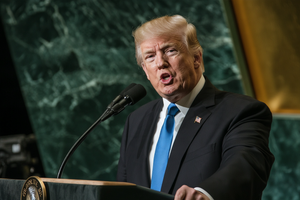
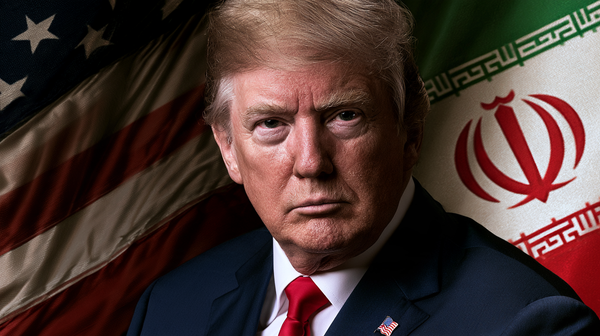
In logistics, the tarmac meeting is reserved for the account that cannot be handled by the usual channels. When the VP of sales flies to meet a shipper at the airport rather than waiting in the office, it signals one thing: this relationship is too important, too unstable, or too close to a critical decision point to be handled through normal protocol. Last night, President Trump and Melania drove to Andrews Air Force Base to meet President Xi Jinping and his wife as they landed — the first time in eleven years an American president has greeted a foreign leader on the tarmac. The protocol break is the message. Today, at 11:30 AM, the two presidents sit down in the Oval Office for a meeting that analysts are describing not as a breakthrough session but as a stability session — a managed conversation between the two largest economies in the world to ensure the relationship does not drift into a place from which it cannot be recovered.
The clearest signal of where that relationship actually stands came yesterday morning, before Xi landed. Treasury Secretary Bessent announced on Fox News that the Busan Agreement trade truce has been extended to January 10 — following an unscheduled meeting with Vice Premier He Lifeng. The Busan Agreement was set to expire November 10. Markets expected an extension of six months or longer. They got two months. CSIS analyst Scott Kennedy said the short extension signals that the U.S. is not satisfied with Beijing's current proposals. Chinese state media did not immediately confirm Bessent's announcement. The tarmac welcome was warm. The trade extension was cold. Both are true simultaneously.
For the pre-retiree, the Trump-Xi summit and the two-month truce extension are the same story told at different volumes. The two-month extension keeps reduced tariffs and rare earth metal supplies intact through January 10 — a direct benefit to any 401(k) holding technology, semiconductor, or industrial stocks that depend on Chinese rare earth inputs. But the short duration signals that the next two months are not a pause — they are a negotiating clock. If the Oval Office meeting today produces a framework that extends into a longer agreement, the rare earth and tariff stability story has legs. If it produces another short extension or public disagreement, supply chain uncertainty returns to the equity market in January. Today's 11:30 AM meeting is the conversation that sets that clock.
Sponsored
Saudi families collect $3,600 a month from their government.
No work. No application. No strings.
Just oil money — distributed to citizens automatically.
Here's what nobody tells you:
America has 40% more oil than Saudi Arabia.
More recoverable oil than any nation on earth.
And yet while the Saudis are getting checks — you're getting nothing.
That's about to change.
There's a way for ordinary Americans to tap directly into the $300+ billion generated from American oil and gas every year.
No accreditation required. No Wall Street middleman.
Robert Kiyosaki calls it the Patriot Income Plan.
It has historically paid 8–10% a year. On your terms. Not theirs.
See how to enroll →
The Inefficiency Leak — Deconstructing the Summit and the Truce
The Tarmac Protocol Break — What Eleven Years of Precedent Means
The last time an American president met a foreign leader at the airport tarmac was 2015 — Obama greeting Xi at Joint Base Andrews. That level of protocol is reserved for relationships where symbolic gestures carry weight that diplomatic communiqués cannot. Trump driving to Andrews with Melania is communicating something to Xi that cannot be said in the Oval Office: this relationship is being treated as the most important bilateral relationship the United States currently holds. In the context of a two-month trade truce extension, ongoing technology export controls, Taiwan Strait tensions, and the Iran conflict that China has complicated by continuing energy purchases from Tehran, the tarmac welcome is the counter-signal — the administration's message that despite all the friction, the channel is open and the relationship is being managed at the highest level of personal engagement. Protocol breaks are not accidental. They are calculated.
Two Months vs. Six Months — What the Short Extension Actually Signals
Markets expected the Busan Agreement extension to run six months or longer — through mid-2027, giving supply chains time to stabilize and businesses time to plan. They got January 10: two months, which expires ten weeks from today. CSIS analyst Scott Kennedy's read is direct: a two-month extension means the U.S. is not satisfied with what Beijing put on the table in the He Lifeng meeting. The short duration creates a January deadline that functions as both a negotiating pressure tool and a market risk. If today's Oval Office meeting produces a framework that Bessent can point to as progress, the January 10 date becomes a milestone rather than a cliff. If today produces warm photos and vague communiqués without substance, January 10 is the date when tariffs snap back and rare earth supply agreements expire — simultaneously, in the middle of earnings season.
Rare Earths — The Supply Chain Variable Your 401(k) Depends On
The Busan Agreement's rare earth provisions are the most directly consequential element of the truce for equity investors. China controls approximately 85% of global rare earth processing capacity. The metals — neodymium, dysprosium, terbium, and others — are inputs for electric vehicle motors, wind turbines, defense electronics, semiconductor manufacturing, and consumer electronics. Every major technology company in the S&P 500 has rare earth exposure somewhere in its supply chain. When the Busan Agreement was signed, China restored rare earth export licenses that had been suspended during the tariff escalation. The two-month extension keeps those licenses in place through January 10. A breakdown in today's talks — or a failure to extend beyond January 10 — reinstates the export license suspension. The equity market impact would be concentrated in semiconductors, EVs, and defense — the same sectors that have driven index performance in 2026.
Chinese State Media's Silence — Why Bessent's Announcement Was Not Immediately Confirmed
Bessent announced the January 10 extension on Fox News. Chinese state media did not immediately confirm it. This asymmetry is not accidental. When China wants to signal acceptance of a U.S. announcement, state media runs a confirming story within hours. When China wants to signal that the announcement does not fully represent its position — or that it reserves the right to characterize the outcome differently — state media stays quiet. The silence from Beijing on Bessent's Fox News announcement suggests China either disputes the characterization, has not yet decided how to frame the extension domestically, or is using the silence as negotiating leverage going into today's Oval Office meeting. None of those readings is bullish for a quick resolution of the underlying trade disputes. The silence is the signal.
Fact-Check Conclusion:
Xi and wife arrived Andrews Air Force Base Wednesday evening, met by Trump and Melania: confirmed CNBC, The Week, NBC. First tarmac welcome by U.S. president in 11 years: confirmed CNBC reporting. Oval Office meeting 11:30 AM, expanded format 12:00 PM today: confirmed White House schedule. No major breakthrough expected, stability management goal: confirmed analyst assessment per CNBC/NBC. Bessent announced Busan Agreement extended to January 10 on Fox News after unscheduled meeting with He Lifeng: confirmed Fox News, CNBC. Original Busan Agreement expiry November 10: confirmed. Markets expected 6+ month extension: confirmed analyst consensus. CSIS analyst Scott Kennedy assessment — two months signals U.S. not satisfied with Beijing's proposals: confirmed CSIS. Chinese state media did not immediately confirm Bessent's announcement: confirmed as of publication time.
Two Signals From the Same Summit Week
The Warm Signal — Protocol and Symbolism
Tarmac welcome
First in 11 years
Oval Office bilateral
Confirmed 11:30 AM
Rose Garden ceremony
Full state welcome
The Cold Signal — Trade and Substance
Truce extension
2 months (vs 6+ expected)
China state media
Silent on Bessent claim
CSIS reading
U.S. not satisfied with Beijing
The protocol is warm. The substance is under pressure. Watch which one dominates the post-meeting readout.
The Arbitrage Alert — What Today's Meeting Means for Your Portfolio
Watch the Post-Meeting Readout — One Phrase Changes Everything:
After the Oval Office meeting, the White House will release a readout. The phrase to watch: whether it mentions "framework for extended agreement" or any language around a longer-term trade structure. If the readout is warm but vague — "constructive discussions," "continued engagement" — January 10 is a cliff. If the readout mentions a specific next step, date, or working group, the January 10 extension becomes the first step in a longer process rather than the final deadline. Markets will price the readout within minutes. The rare earth-exposed names — semiconductor ETFs, EV producers, defense electronics — will move first.
January 10 Is Now Your Supply Chain Calendar Date:
The Busan Agreement's rare earth provisions expire January 10. If you hold semiconductor, EV, or defense technology positions in your 401(k) or IRA — directly or through index funds — January 10 is now a risk calendar date. A breakdown in the extension negotiations sends rare earth export license suspensions back into effect. The last time China suspended rare earth export licenses during the tariff escalation, semiconductor stocks dropped 8–12% in the affected supply chain segment within two weeks. January 10 falls in the middle of Q4 earnings season. The timing of a potential supply chain shock and earnings reports from the most rare-earth-exposed companies would be simultaneous.
The Iran-China Connection — Why Today's Summit Has a Third Dimension:
China has continued purchasing Iranian oil throughout the 206-day conflict — circumventing U.S. sanctions through back-channel transactions that the Treasury Department has documented but not fully stopped. This is the third dimension of today's summit that will not appear in the official readout: the U.S. has a direct ask of China on Iran sanctions compliance, and China has leverage on that ask through the rare earth and trade framework. A longer trade truce extension could be linked — formally or informally — to Chinese cooperation on Iranian oil sanctions. A short extension could reflect Chinese unwillingness to change its Iran posture. The connection between January 10 and the Iran conflict's resolution timeline is not coincidental.
The BS-Meter — Headlines vs. The Fine Print
The Headline
"Historic Summit — Trump and Xi Set to End the Trade War"
The Fine Print
Analysts assessed the summit goal as stability management, not comprehensive agreement. Bessent extended the truce by two months — not six. CSIS analyst Scott Kennedy read the short extension as a signal that the U.S. is not satisfied with Beijing's proposals. A tarmac welcome and Rose Garden ceremony do not resolve the underlying disputes on technology transfer, Taiwan, rare earth export controls, and Iranian oil purchases. The protocol is historic. The substance is unresolved.
The Headline
"Trade Truce Extended — China Deal Is Back on Track"
The Fine Print
A two-month extension to January 10 is not "back on track" — it is a managed delay of a decision neither side was ready to make. The market expected six months. It got two. Chinese state media did not confirm Bessent's announcement. A deal that is back on track produces a six-month extension with a working group agenda. A deal that is under pressure produces a two-month extension with state media silence.
The Headline
"The Trade War Is Over — Tariffs Are Coming Down"
The Fine Print
The Busan Agreement reduced tariffs from their peak escalation levels — it did not eliminate them. The reduced tariff structure expires January 10 alongside the rare earth provisions. "Tariffs are coming down" describes what the Busan Agreement did when it was signed. Whether that status continues past January 10 depends entirely on what happens in today's Oval Office meeting and in the negotiations that follow it.
The Backhaul Index: Summit Day Snapshot
📅 Busan Agreement Expiry
January 10 Extended from Nov 10 · 2 months vs 6+ expected
The short extension is the most consequential number from summit week. Mark January 10 on your supply chain risk calendar — rare earth licenses, reduced tariffs, and the next negotiating deadline all expire simultaneously.
🔇 China State Media
Silent Did not confirm Bessent's Fox News announcement
State media silence after a U.S. trade announcement signals Beijing either disputes the characterization or is holding the confirmation as negotiating leverage. Neither reading is bullish for a quick January resolution.
🤝 Protocol Signal
Tarmac welcome First in 11 years · Andrews Air Force Base
The warm protocol signal runs counter to the cold substance signal from the two-month extension. The administration is communicating maximum personal engagement while the trade negotiation remains under pressure. Watch which signal dominates the post-meeting readout language.
⚗️ Rare Earth Risk
Jan 10 cliff China controls ~85% of global rare earth processing
Export license suspension on rare earths would hit semiconductors, EVs, and defense electronics simultaneously — in the middle of Q4 earnings season. Every S&P 500 technology holding has rare earth exposure somewhere in its supply chain.
The Wire: Two Reads on the Same Summit
The Stability Read — Why "No Breakthrough" Is Actually the Goal
Analysts assessed the summit as a stability session rather than a breakthrough session. In the context of the current environment — Iran conflict at day 206, Fed rate at 3.75–4.00%, 10-year above 5%, midterms in 42 days — stability is not a low ambition. It means the two largest economies in the world have agreed not to add a third front of major disruption to a global system already absorbing oil inflation, rate hikes, and geopolitical uncertainty. A summit that ends with the Busan Agreement extended, rare earth licenses intact, and no new escalation in the South China Sea or Taiwan Strait is, by the standards of 2026, a successful outcome. The pre-retiree with a 401(k) exposed to U.S. and international equities should read "no breakthrough" as "no new shock" — and in the current environment, that is worth something.
In freight, the best summit outcome is not always a signed contract. Sometimes the best outcome is that both carriers agree to keep the lanes open, not raise rates before January, and meet again in six weeks. That is what today's meeting is trying to produce. A two-month extension with a follow-up date is not failure — it is a managed freight relationship under stress. The question is whether January 10 produces the longer agreement or the lane closure.
AC
Art Callahan · Ex-logistics auditor, The Backhaul Report
The Pressure Read — Why January 10 Is a Harder Deadline Than It Looks
January 10 falls ten weeks from today. In those ten weeks: the midterm elections occur (November 4), a new Congress is seated (January 3), and the first major Q4 earnings reports begin to land (mid-January). A trade truce expiration on January 10 would coincide with a new Congress's first week in session and the opening of earnings season for the most rare-earth-exposed companies. The political and market timing could not be worse for a breakdown. That timing may itself be the leverage: both sides know that January 10 is a bad date for disruption, which creates mutual incentive to extend. But mutual incentive to extend is not the same as agreement on the underlying terms. The CSIS read — two months because the U.S. is not satisfied — suggests the mutual incentive to avoid disruption may not be enough to bridge the gap on substance. January 10 is not a soft deadline. It is a hard one dressed in diplomatic language.
The two-month extension is not a solution. It is a postponement. In freight auditing, postponements are not neutral — they accumulate interest. Every week the underlying dispute is not resolved, the cost of resolving it goes up: more back payments, more disputed invoices, more entrenched positions. January 10 is ten weeks of accumulated interest on a dispute that has been running since the tariff escalation began. Today's Oval Office meeting has to produce something substantive — a working group, a framework date, a specific concession — or the January 10 cliff gets harder, not softer, with every passing week.
AC
Art Callahan · Ex-logistics auditor, The Backhaul Report